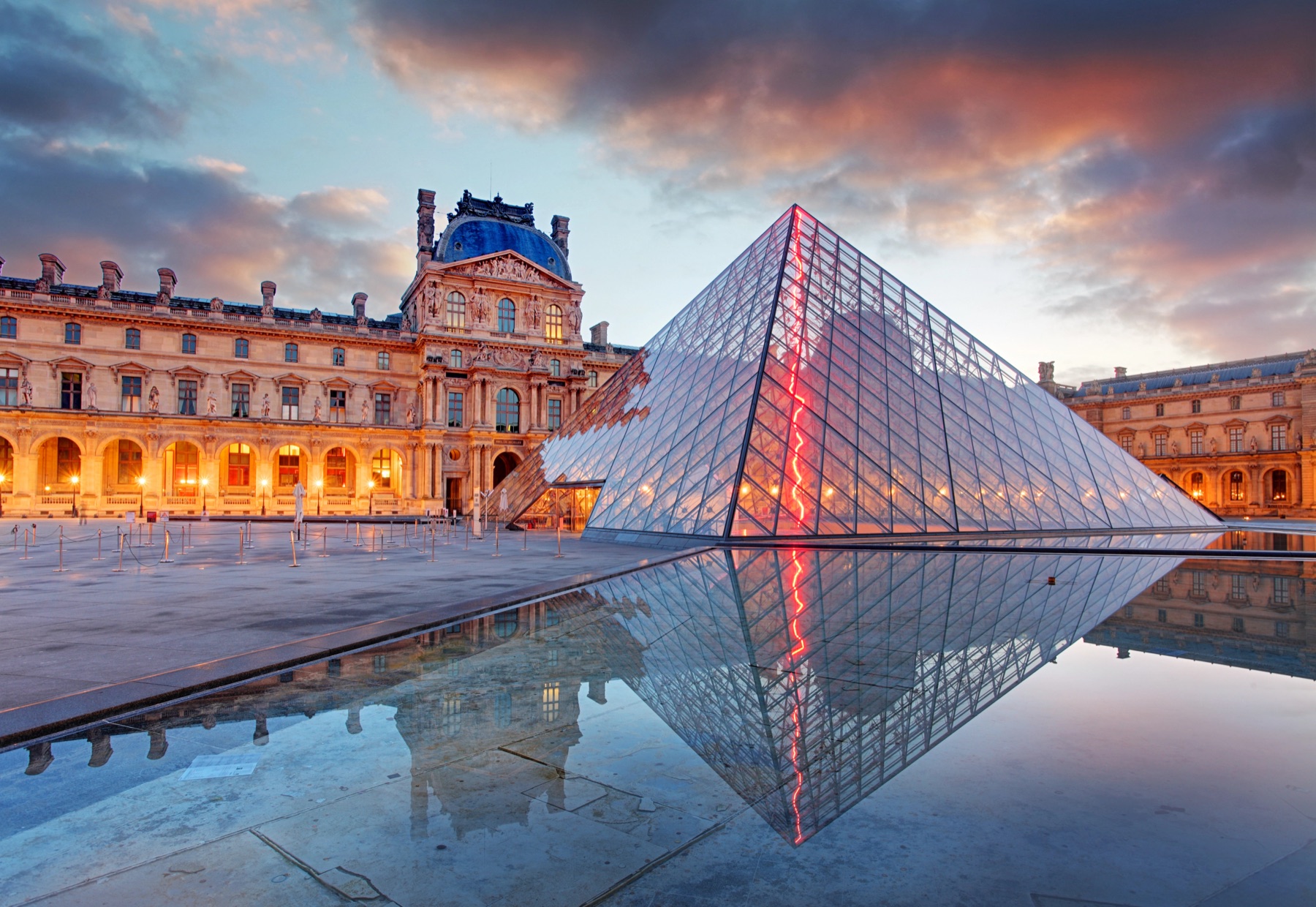
Stand nose to glass with the Mona Lisa, climb the great staircase to the Winged Victory of Samothrace, and wander among the pharaohs in the largest Egyptian collection outside Cairo. The Louvre holds more of the art you have seen your whole life than any building on earth.
It is also big enough to flatten you. Walk in with no plan and you will burn three hours, see a fraction of it, and leave footsore and grumpy.
So this guide does two jobs. It helps you see the best of the Louvre without melting down, and it sorts out how to book your way in, which works a little differently when you are using the Paris Museum Pass.
One thing to know up front: the Louvre is included on the pass, but the pass alone does not get you through the door. You still reserve a free timed-entry slot on the official Louvre site, even though the pass already covers the cost. Book it once your dates are set, and a little earlier if you are visiting in peak season, when the popular slots go first.
If you are still deciding which pass length makes sense, our Paris Museum Pass guide lays out how the whole thing works, and the is it worth it page does the math on whether it pays off for your trip.
Is the Louvre worth it?
Yes, with one honest caveat about expectations.
The art is genuinely staggering, and a lot of it is free to walk right up to. The trouble is scale.
The Louvre has more than 400 rooms across three wings. Trying to see all of it is a fool’s errand, and the people who attempt the whole place end up exhausted and remember almost nothing.
The Mona Lisa is its own small reckoning. She is smaller than you expect, behind glass, at the far end of a room where the crowd runs six or seven rows deep.
You shuffle forward, you get your twenty seconds and your photo, and you get moved along. On my last visit I watched a steady stream of people walk straight past that room to spend their time with the bigger, more impressive works nearby, and I understood the instinct.
So who should go? If you love art, history, or simply want to stand inside the building that set the template for every grand museum after it, the Louvre belongs on your list. Give it a focused half-day and a route, and it rewards you.
If your trip is tight and your heart is set elsewhere, you can still do the Louvre well in two hours by heading straight for a handful of masterpieces and leaving while you are still enjoying it.
A smart short route through the big-hitters
The trick is to treat the Louvre like a greatest-hits set. Almost everyone enters through the glass Pyramid into the Cour Napoléon, where three wings branch off: Denon, Sully, and Richelieu. The big names mostly cluster in Denon, so that is where I point first-timers.
Start by climbing toward the Winged Victory of Samothrace. She stands at the top of the Daru Staircase with her wings flung back, and the climb up to her is part of the effect.
Get close and you can see the carved drapery pressed against the body as though wet. She is one of the most photographed things in the building, and she gives you room to breathe in a way the Mona Lisa never does.
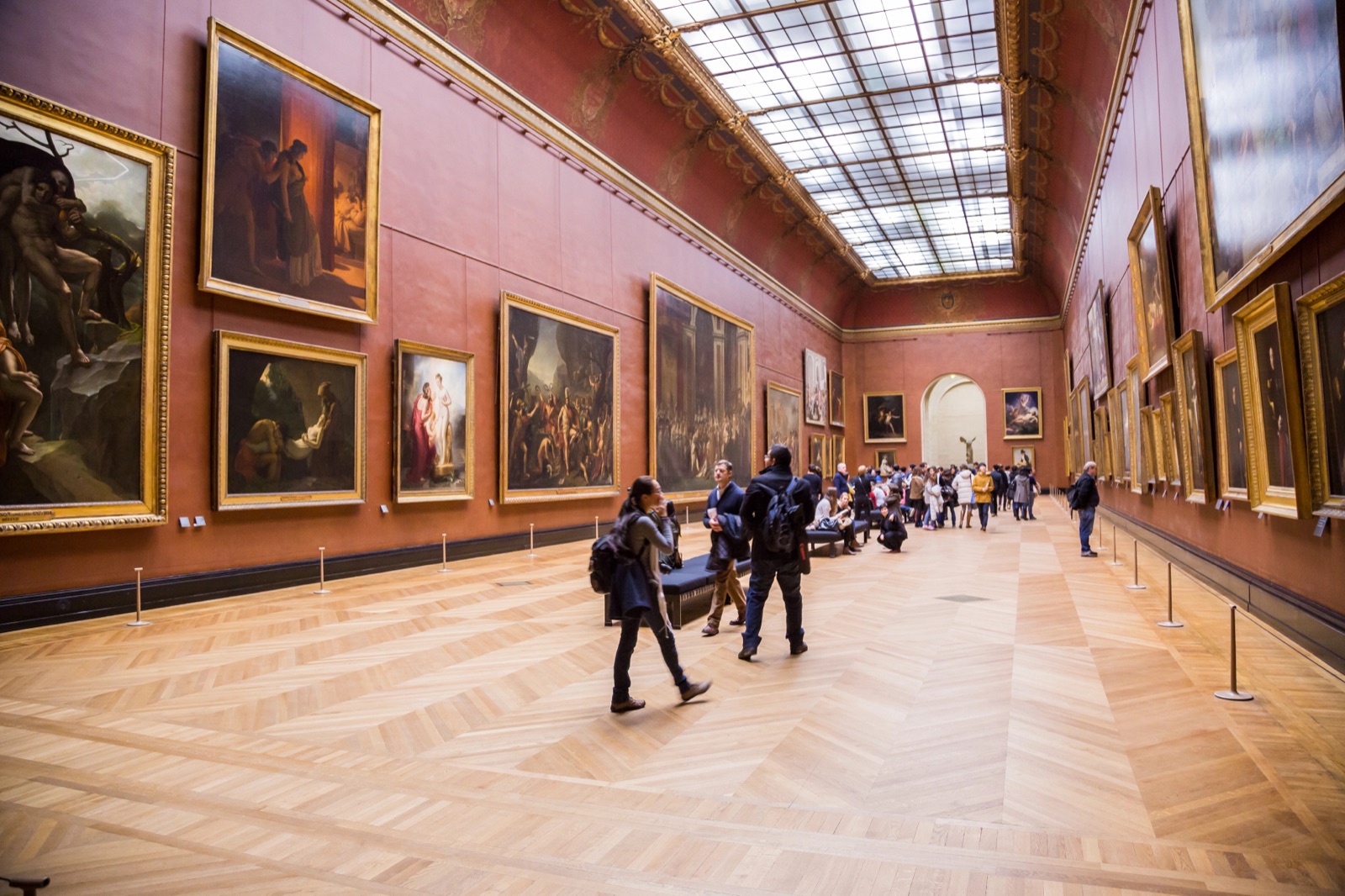
From there, work into the great hall of large French paintings. The Coronation of Napoleon sprawls across an entire wall with more than 200 figures in it. Nearby hangs The Raft of the Medusa, a wall-sized scene of shipwreck survivors that hits harder than any photo of it ever will, and Liberty Leading the People, the one with the tricolor that you have seen your whole life.
Save the Mona Lisa for last. By then you have seen the museum’s best work without the pressure, and the crowd in her room thins a little later in the day. Reach the rail, take your look, and move on without feeling cheated.
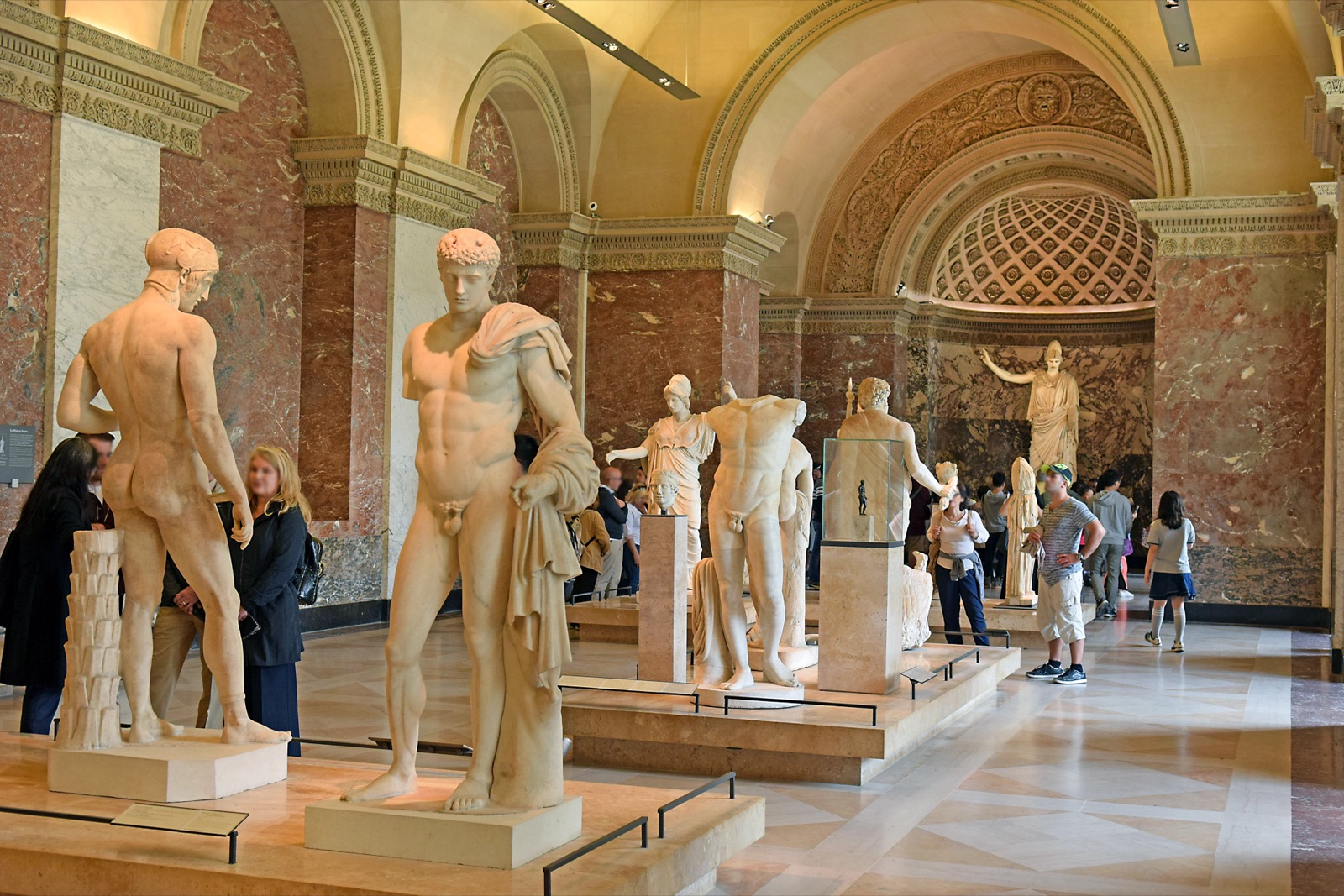
If you still have energy, cross into the Sully wing for the Venus de Milo among the Greek antiquities, then loop down through the Egyptian galleries, home to the largest collection outside Cairo.
That is a satisfying three to five hours. I once met a traveler who had blocked out a full ten-hour day at the Louvre and called six of those hours a mistake.
Be selective and you will love it. Try to see everything and the museum wins.
What the visit is actually like
You arrive for your timed slot, pass through an airport-style security check, and funnel into the soaring glass atrium under the Pyramid. From there the museum opens up in every direction, and the sheer size of it registers immediately.
The galleries themselves swing between hushed and mobbed. A room of medieval panels can be nearly empty, and then you round a corner into the Italian paintings and hit a wall of people. The crowds in the Louvre concentrate around a few famous works and thin out everywhere else, which is exactly why a route helps so much.
The Mona Lisa room is the extreme version of this. People file in, hold their phones up, and inch toward the front.
Getting a clear look from the rail can mean half an hour of slow shuffling in the press of the crowd. A late entry on a long-hours evening is your best shot at reaching the front rail without that wait.
Wear shoes you can walk miles in, because you will. Bring a sealed water bottle, since the museum allows them and the café prices are steep.
Give yourself permission to sit down on a bench now and then to let your eyes recover. Two hours of concentrated looking is genuinely tiring, and there is no shame in pacing it.
When to go to dodge the worst crowds
First, the non-negotiable: the Louvre is closed on Tuesdays. Show up on a Tuesday and you will be standing in front of locked doors with a lot of other confused people.
On the days it is open, the museum runs 9am to 6pm, with late evenings on Wednesday and Friday until 9pm. Those late nights are the quiet gem, when the tour groups have gone, some galleries light up beautifully after dark, and the whole place feels less frantic than it does at midday.
For timing your slot, later beats earlier. The 9am crush is real, and even with a booked slot you can wait in a line to get in.
I had a 9am slot one July morning and still gave up an hour to the entry line, then walked past an almost empty line on my way out near closing. A mid-to-late-afternoon slot, especially on a late-opening evening, is the sweet spot for thinner crowds.
One date to handle with care is the free-admission evening: the first Friday of each month after 6pm, except July and August, plus July 14. Free nights pull in enormous crowds. If a calmer visit matters more than saving the entry fee, pick a different time.
A small entrance tip while you are at it. The Pyramid is the main door and the busiest. The Porte des Lions entrance, tucked along the south side near the Seine, is the one a lot of regulars use and almost no first-timers find.
Where to book, and why I start at the official site
Start at the official Louvre site every time. It is the real timed-slot system, it is the correct price, and it keeps you clear of the resellers who pile up at the top of a Google search charging two or three times face value for the same entry window.
Advance booking is mandatory here. The Louvre requires a timed reservation from everyone, including free-admission visitors and Paris Museum Pass holders, who reserve a free slot instead of buying a ticket. Walk-up entry is a gamble you do not want to take.
If you are using the pass, choose the option on the official booking page for people who already hold a ticket or pass, pick your window, and bring the pass to show at the door.
When the official calendar is genuinely sold out, and in July and August it often is, that is the moment a reputable authorized reseller earns its place, especially if you want a guided visit that navigates the building for you.
Look for one that offers free cancellation up to 24 hours ahead, so a change of plans does not cost you. Treat it as the backup and start with the official site first.
One more tip I wish I had known sooner: if you want the audio guide, add it when you book rather than hunting for it at the entrance, where the line for it can eat into your visit.
Louvre ticket prices in 2026
Here is the current official pricing, which rose sharply in 2025, so older guides will quote less.
| Ticket | Price |
|---|---|
| Adult, EEA resident | 22€ |
| Adult, non-EEA resident | 32€ |
| Under 18 (any nationality) | Free |
| EEA residents under 26 | Free |
| Paris Museum Pass holders | Covered by the pass |
Note the split that surprises a lot of people. Residents of the European Economic Area pay 22€, while everyone else pays 32€, a gap the museum widened to thin out the crowds.
Free admission applies to under-18s of any nationality and to EEA residents under 26 with photo ID, and on the first Friday evening of the month, except July and August. Everyone in those groups still has to reserve a timed slot even though they pay nothing.
If you are visiting several Paris museums and monuments on the same trip, this is where the Paris Museum Pass earns its keep, since your Louvre entry then folds into a single pass price instead of a separate fee. Our Paris Museum Pass prices page breaks down the 2, 4, and 6-day options and the per-day math.
Getting there and a few things to know first
The Louvre sits in the 1st arrondissement, right in the center of Paris. Take Métro line 1 or 7 to Palais Royal Musée du Louvre, which drops you near the underground Carrousel du Louvre entrance and out of the weather.
There are three ways in. The Pyramid is the grand main entrance, and it is the slowest of the three by a wide margin.
Carrousel du Louvre, the underground entrance reached straight from the Métro, is the one to use on a rainy day. Porte des Lions, near the Seine, is the quiet one.
A few practical notes before you go. Bags have a size limit, so leave the big suitcase at the hotel, and sealed water bottles are fine and worth bringing.
Once you leave the museum you cannot re-enter on the same ticket, so take your café break inside if you want one. The cafés in there come with a view and a markup, so eat beforehand if you are watching the budget.
FAQs
What day is the Louvre closed?
Tuesday. The Louvre is open every other day of the week, 9am to 6pm, with late hours until 9pm on Wednesday and Friday. Last entry is an hour before closing.
Do you need to book Louvre tickets in advance?
Yes. The Louvre requires a timed-entry reservation for everyone, including free-admission visitors and pass holders. Book on the official site, and book early for spring and summer dates, which fill up.
Is the Louvre included in the Paris Museum Pass?
Yes. The pass covers your admission, so you do not pay the entry fee. You still reserve a free timed slot on the official Louvre site and show the pass at the door, and slots for popular dates fill up weeks ahead, so reserve as soon as your pass details arrive.
How long do you need at the Louvre?
Three to five hours is plenty for most people if you stick to the highlights. A full day is for serious art lovers only. Block out a focused half-day, pick a route, and stop before your feet give out.
Is the Mona Lisa worth seeing?
Worth a look, as long as you go in with the right expectations. She is small, behind glass, and ringed by a deep crowd, so you get a brief view rather than a quiet moment. See her last, after the bigger and more impressive works nearby, and you will enjoy the whole visit more.